
Last updated: 10 November 2026 · 7 min read
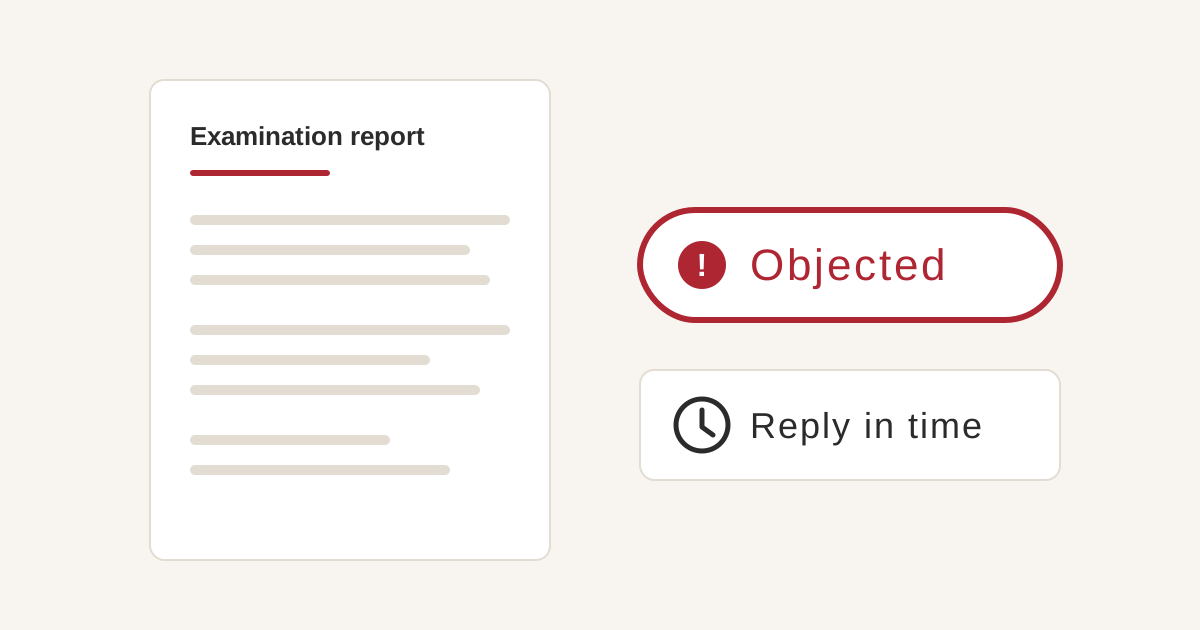
You type your application number into the IP India site, the page loads, and there it is next to your brand name: Objected. One word. No explanation, no next step, nothing to tell you whether this is a formality or the end of the road.
It's usually neither. Objected doesn't mean refused. It means an examiner at the Trade Marks Registry has read your application, has concerns, and has put them in writing. You now get to answer. Plenty of marks pass through this stage and still end up registered. Some don't, and the difference often comes down to what the report actually says and how well, and how fast, you reply.
What the examiner has actually done
After you file and the application clears a basic formalities check, it goes to an examiner. The examiner tests the mark against the Trade Marks Act, 1999. Can it work as a brand at all? Does it clash with something already on the register, or already applied for? If both answers are fine, the mark is accepted and heads for publication in the Trade Marks Journal. If not, the examiner issues an examination report listing the objections, and the online status changes to Objected.
So the status is really a pointer to a document. The document is what matters. It sets out each objection, usually by reference to a section of the Act, and if the problem is an earlier mark it will normally cite that mark so you can see exactly what you're up against. Read the whole thing before you decide anything. People sometimes lose a night's sleep over the status and then find the only issue is the wording of their goods description.
If you want to see where this stage sits in the overall process, our registration timeline guide walks through it from filing to certificate.
Finding the report
Go to the official IP India website and look up your application using its number (it's on your filing receipt). Along with the status, the application record should let you view the documents issued on it, and the examination report will be among them.
If an agent filed for you, the report may also have gone to them, since it's sent to the address for service on the application. Ask. Don't assume they've seen it. Our trademark status page has more background on what the different statuses mean, but our own lookup tool is temporarily unavailable, so check on IP India directly for now.
The usual reasons for an objection
Most objections fall into a few familiar types. Your report will say which ones apply. In plain words, they tend to look like this:
- The mark doesn't tell your goods apart from anyone else's, or it simply describes them. That's Section 9 of the Act. A hypothetical "Pure Ghee" for ghee is the textbook case.
- It's identical or similar to an earlier mark for the same or similar goods or services, and the examiner thinks the public could be confused. That's Section 11, and the report usually lists the marks it has in mind.
- The description of goods or services is vague, too wide, or in the wrong class.
- A paperwork problem, such as a claim that you've used the mark since a particular date without the supporting documents the Registry expects.
The first two go to the heart of the mark and usually need a real argument. The last two can often be dealt with by a correction or a document, though they still need a proper reply filed on time. A single report can contain several of these at once, so don't answer the easy one and quietly ignore the rest.
If the objection is about descriptiveness, our post on picking a brand name that can clear a search explains why examiners push back on names that describe the product. If it's about an earlier mark, see what happens when someone has a similar name.
How long you have to reply
The general position, as our objection vs opposition guide sets out, is about 30 days from the date of the examination report. Not from the day you noticed the status. Not from the day you finally downloaded the PDF. From the date printed on the report.
That gap catches people out. The report may have been issued well before you checked, and the clock has been running the whole time. So the first job is simple: find the date on your report and count forward. If it's close, or already gone, talk to someone today rather than next week.
An objection that isn't answered in time can lead to the application being treated as abandoned. Then you may be refiling from scratch, with a later filing date, which matters if anyone else has applied for something similar in the meantime. Don't plan around getting an extension.
What goes into a good reply
A reply isn't a letter saying you disagree. It's a written argument that takes each objection in the report by name and answers it, with evidence where evidence helps.
For a descriptiveness objection, the argument is usually that the mark, taken as a whole, isn't a plain description of the goods. Or that it has become distinctive through use. That second route needs proof: invoices, sales figures, advertising, press coverage, anything showing that customers connect the mark with you. The Act looks at distinctiveness acquired through use before the application date, so evidence from before you filed counts for most.
For a similarity objection, you compare the marks properly. How they look, how they sound, what they mean, and whether the goods really overlap once you read the cited mark's specification instead of just its name. Sometimes the conflict is thinner than it first looks.
And sometimes the sensible move is to give a little ground. Say a hypothetical spice brand filed for a broad range of goods in its class but only sells masala blends, and the cited mark covers tea in the same class. Narrowing the specification to what the business actually sells might take it out of the conflict altogether. A narrower registration you can keep is worth more than a wide application that gets refused. It only works where the amendment is honest, though. Don't cut out goods you genuinely plan to sell just to get past the examiner.
What doesn't work well is a template reply, the same three paragraphs pasted into every case. Examiners read a great many of them.
If the reply doesn't settle it
Once you've replied, one of two things usually happens. The examiner accepts the mark and it moves to publication in the Journal. Or the examiner still isn't satisfied, and a hearing may be scheduled so you, or your representative, can argue the point directly before an officer of the Registry.
Treat the hearing seriously. It's a real chance to fix things, often with a fuller set of evidence than you had the first time, and not turning up can seriously hurt the application.
If the objection still stands after the hearing, the application can be refused. That isn't always the absolute end, since there are further routes such as an appeal, but they're slower, they cost more, and they come with their own time limits. They're something to discuss with a professional if you get there, not something to count on.
Objected is not the same as Opposed
The two words sound alike and people mix them up constantly. Objected means the Registry's own examiner has concerns, before your mark is published. Opposed means a third party, often the owner of an earlier mark, has formally challenged your mark after it was advertised in the Journal. Different stage, different document, different deadline.
If your status says Opposed, most of what's above doesn't apply. Read the objection vs opposition guide, which puts the two side by side with their deadlines.
What to do this week
Download the examination report. Find the date on it and work out the reply date. Then read each objection and sort it roughly into "needs an argument" or "needs a fix".
If any of it needs an argument, or the date is close, get help before you draft anything. Our trademark objection reply service can look at your report and prepare a response, though nobody can promise you how the examiner will decide. If you'd rather talk it through first, get in touch and have your application number and the report ready when you do.
Frequently asked questions
-
Does Objected mean my trademark has been rejected?
No. It means the examiner has raised concerns in an examination report and you have a chance to answer them. A refusal can only come later, if the objections aren't overcome by your reply or at a hearing.
-
Can I keep using my brand while the objection is pending?
An objection from the Registry doesn't by itself stop you using your brand, and you can use the TM symbol. Don't use the registered symbol until the mark is actually registered. If the objection cites someone else's similar mark, get advice on that separately, because the other owner may have rights of their own.
-
Can I write the reply myself?
As the applicant, you can. Whether you should depends on the objection. A simple correction to the goods description is one thing. Arguing against a cited earlier mark, or proving that a descriptive mark has become distinctive through use, is harder to do well on a first attempt, and you usually get one shot before a hearing.
-
What happens once the objection is cleared?
The mark is accepted and advertised in the Trade Marks Journal. That opens a window in which third parties can oppose it. If nobody does, the application moves on towards registration.
